
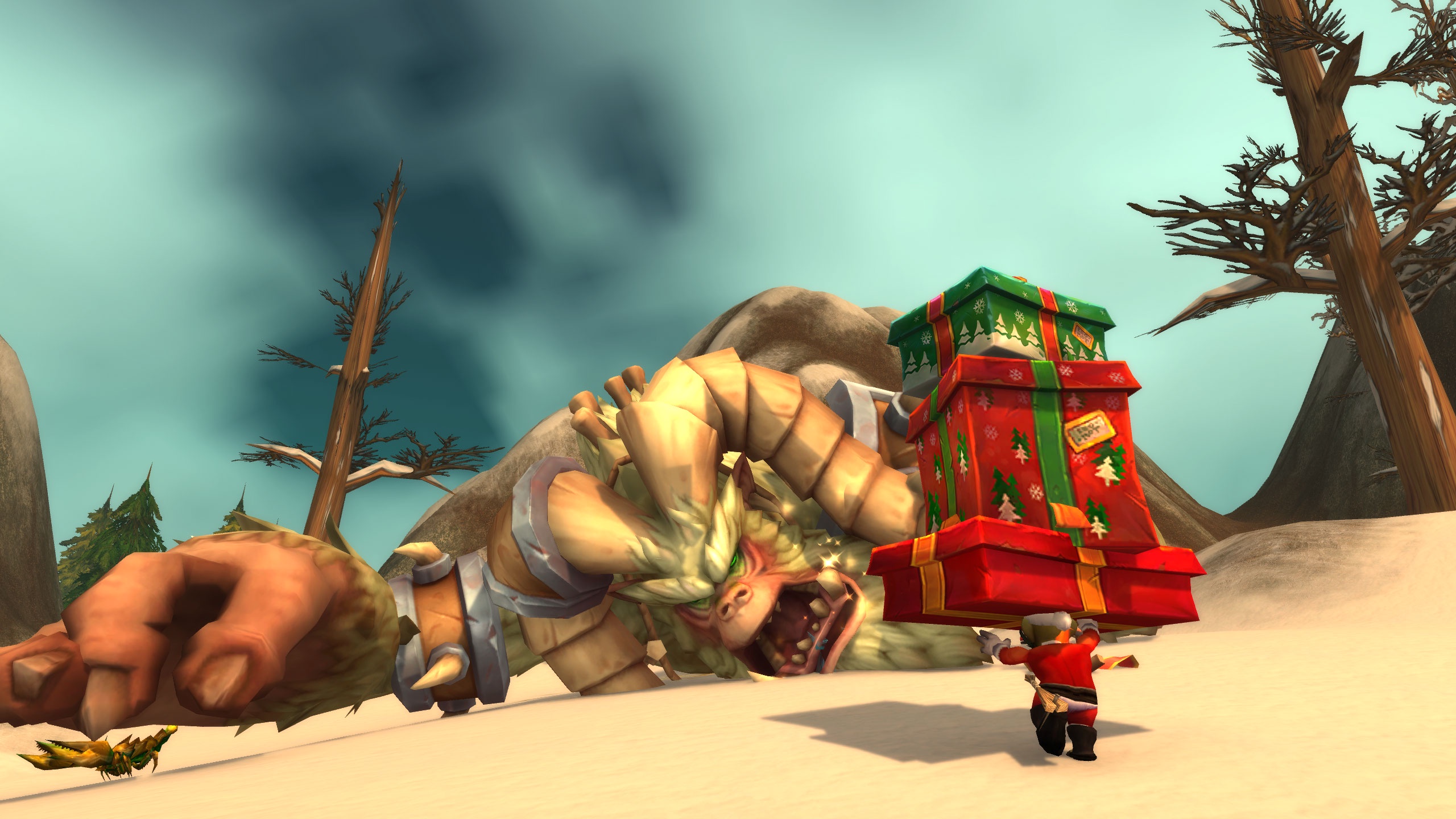
World of Warcraft (WoW) has captivated millions of players worldwide, and at the heart of this allure is the thrill of loot. Whether it’s a powerful weapon, a rare mount, or the perfect piece of transmog gear, the quest for loot is a driving force behind the game’s longevity. But what makes loot so addictive? The psychology behind loot rewards reveals why players keep coming back for more, raid after raid and dungeon after dungeon.
The Dopamine Effect
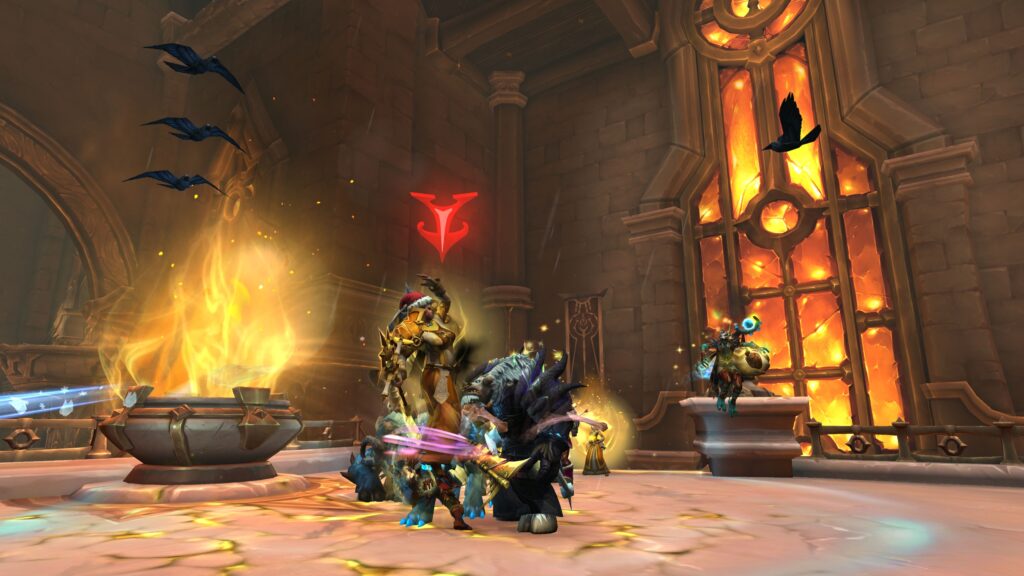
Loot rewards tap into the brain’s reward system, triggering the release of dopamine—a chemical associated with pleasure and motivation. The unpredictability of loot drops makes the experience even more compelling.
Why It Works:
- Randomness: The uncertain nature of loot drops keeps players engaged, as each boss or chest could hold something extraordinary.
- Reward Anticipation: The excitement of what might drop often outweighs the actual reward itself, creating a cycle of anticipation and payoff.
- Positive Reinforcement: Success in acquiring rare loot reinforces the behavior, encouraging players to repeat the activity.
This dopamine-driven loop is a cornerstone of why loot systems are so effective in retaining players.
Progression and Mastery
Loot serves as a tangible marker of progression, rewarding players for their efforts and improving their characters. This sense of growth is a powerful motivator in WoW.
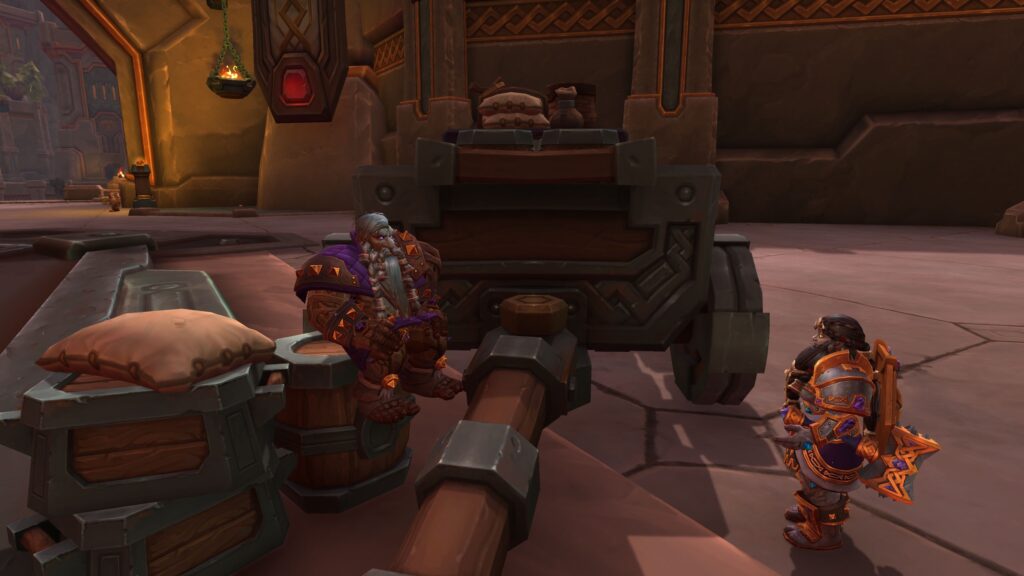
How Loot Encourages Progression:
- Gear Upgrades: Each new piece of gear enhances a character’s performance, enabling players to tackle more challenging content.
- Skill Validation: Obtaining rare or powerful items often reflects the player’s mastery of mechanics and teamwork.
- Visual Transformation: Transmog and cosmetic loot allow players to visually express their progress and achievements.
The link between loot and progression gives players a sense of accomplishment, driving them to strive for even greater rewards.
Social Dynamics and Loot
Loot systems also play a significant role in WoW’s social dynamics, fostering camaraderie, competition, and collaboration within the community.
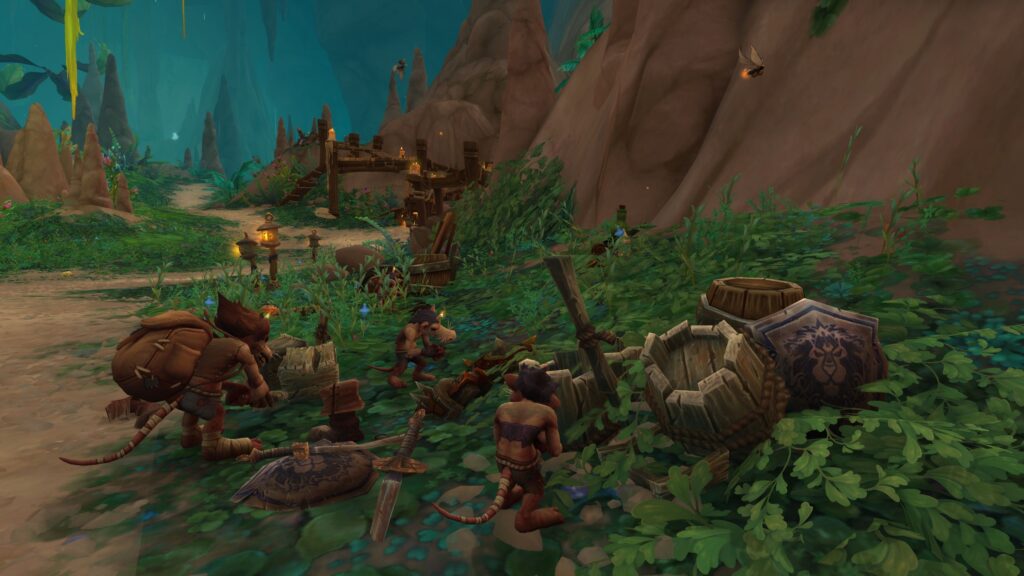
Social Impacts of Loot:
- Guild Bonds: Sharing loot and working together to gear up the group strengthens guild relationships.
- Bragging Rights: Rare items and achievements provide players with social currency, boosting their status within the community.
- Loot Distribution Systems: DKP and loot councils encourage players to work collaboratively while navigating competition.
These social aspects transform loot from a personal reward into a shared experience that connects players.
The Allure of Exclusivity
Exclusive loot, such as time-limited rewards or rare mounts, creates a sense of urgency and prestige. Players are driven by the desire to obtain items that signify their dedication and skill.
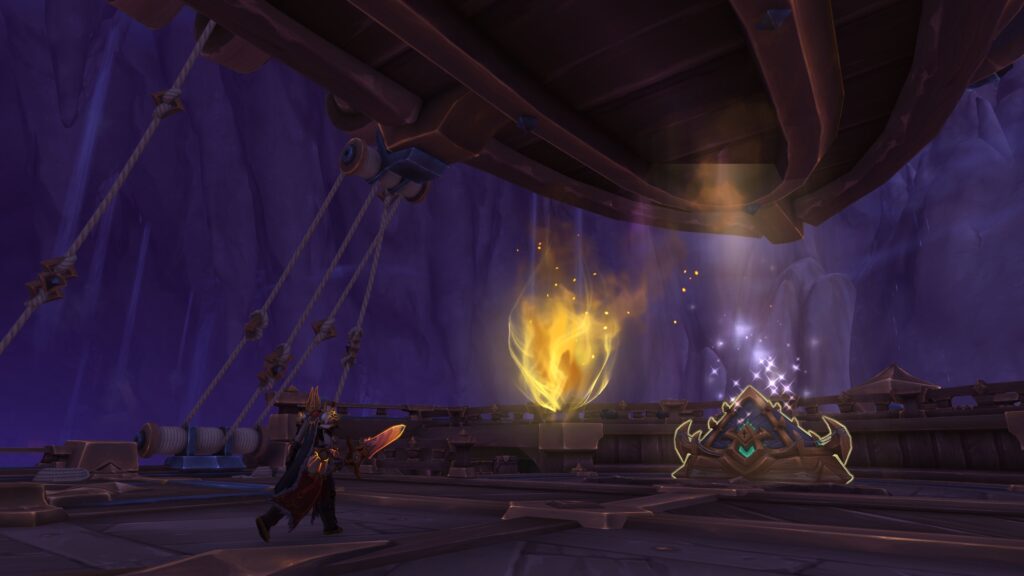
Why Exclusivity Matters:
- FOMO (Fear of Missing Out): Limited-time rewards, such as seasonal mounts or event-specific items, push players to participate actively.
- Prestige and Rarity: Possessing rare loot like the Ashes of Al’ar or Invincible elevates a player’s status within the game.
- Memorable Experiences: Earning exclusive rewards often involves memorable encounters that players cherish for years.
The allure of exclusivity keeps players engaged, ensuring they return for each new expansion and patch.
Conclusion
The psychology of loot is a masterstroke in game design, blending anticipation, progression, and social interaction to create an experience that keeps players coming back. In WoW, loot is more than just gear—it’s a symbol of achievement, a driver of community, and a reason to keep exploring Azeroth. As Blizzard continues to innovate with new rewards and systems, the magic of loot will remain at the core of what makes WoW so addictive and enduring.
Home
Leave a Reply